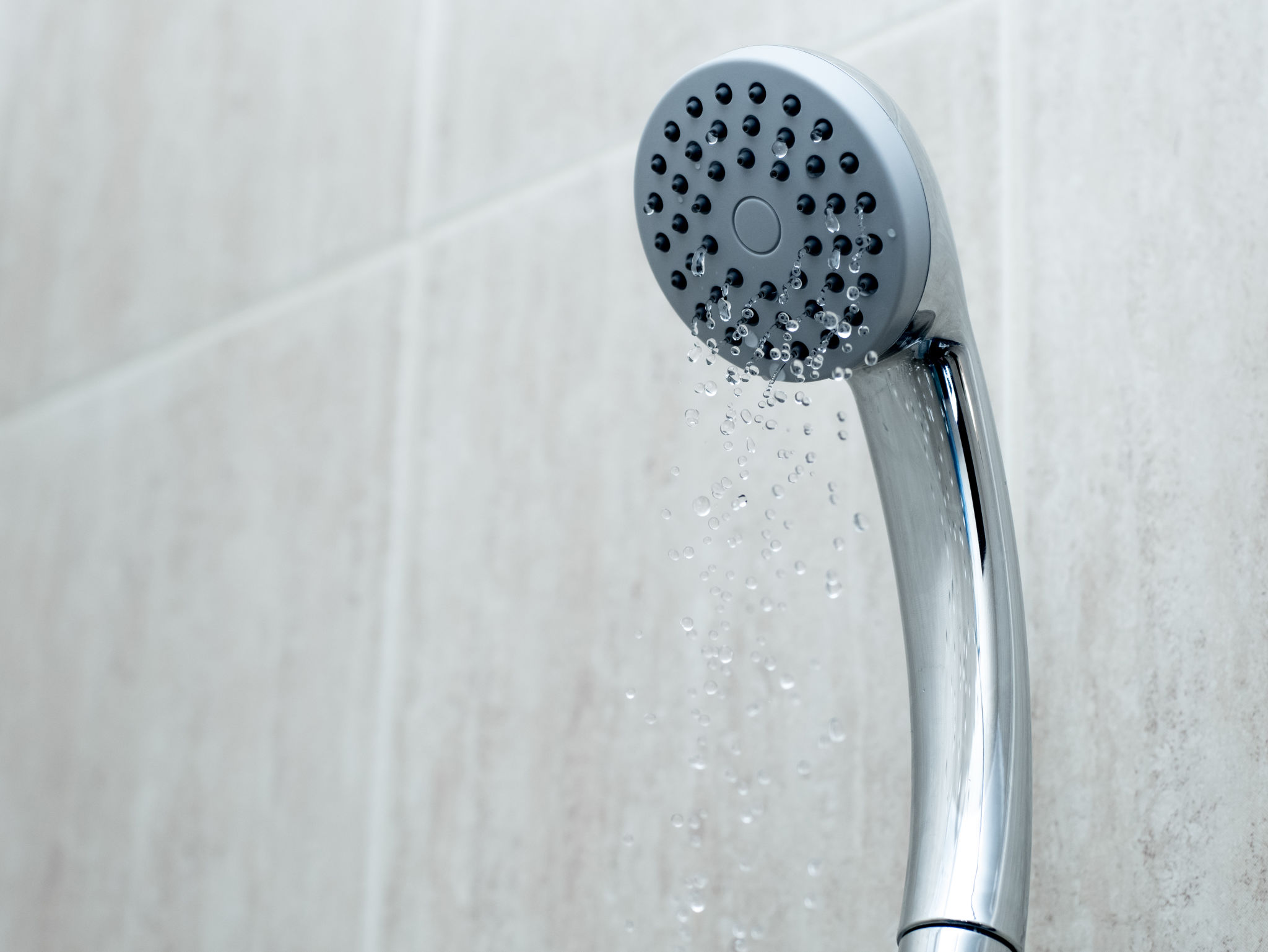
How to Fix Common Plumbing Issues at Home
Introduction
Plumbing issues are a common headache for homeowners. While some problems require professional intervention, many can be resolved with basic tools and a bit of know-how. This guide will walk you through fixing some of the most common plumbing issues at home.
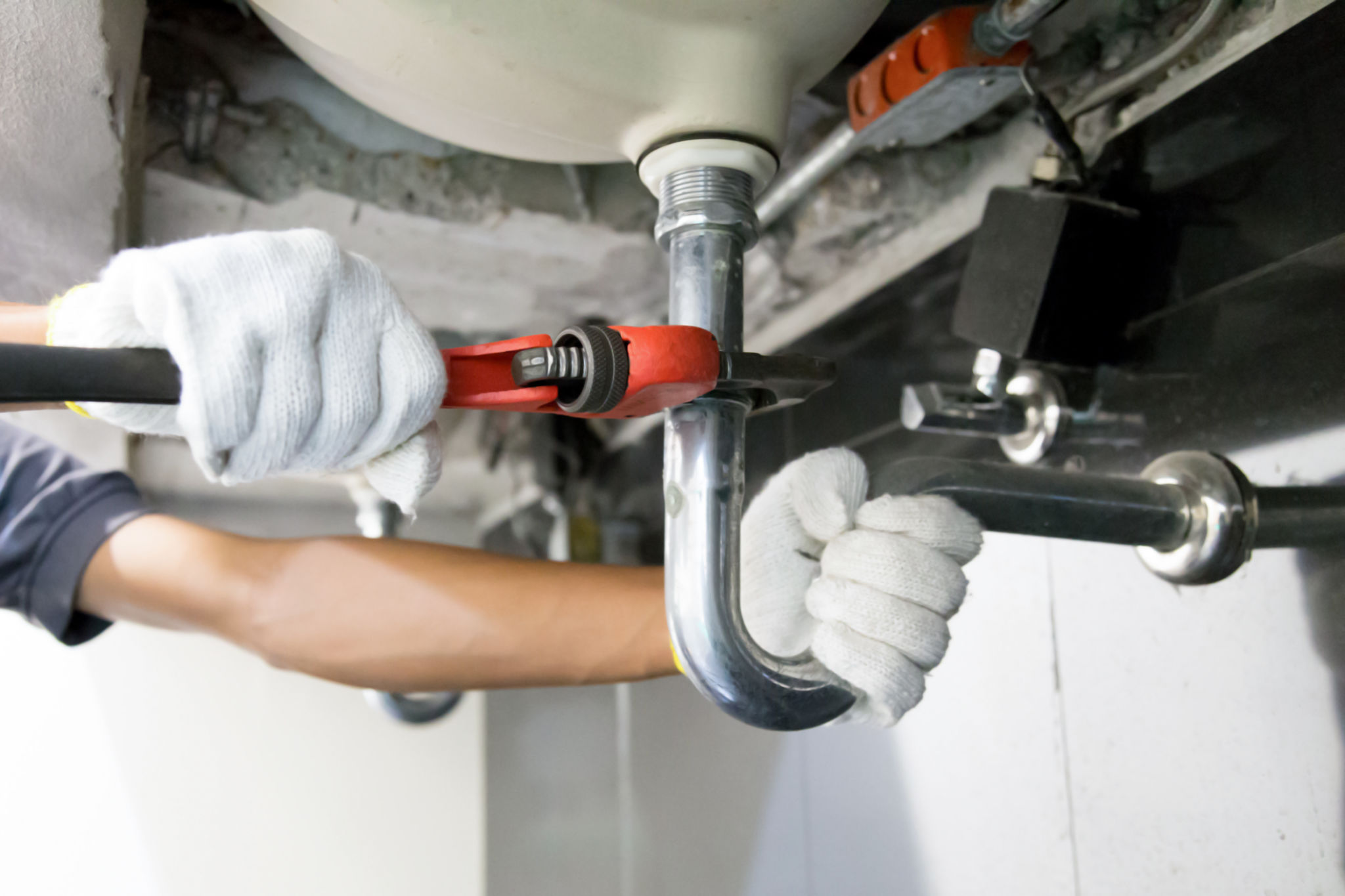
Leaky Faucets
Identify the Problem
A leaky faucet can waste a significant amount of water and increase your utility bills. The first step in fixing a leaky faucet is identifying the type of faucet you have: compression, ball, cartridge, or ceramic disk.
Fix the Leak
Once identified, turn off the water supply and remove the faucet handle. Replace any worn-out washers or seals, which are often the culprits behind leaks. Reassemble the faucet and turn the water back on to check if the leak is resolved.
Clogged Drains
Prevention and Cleaning
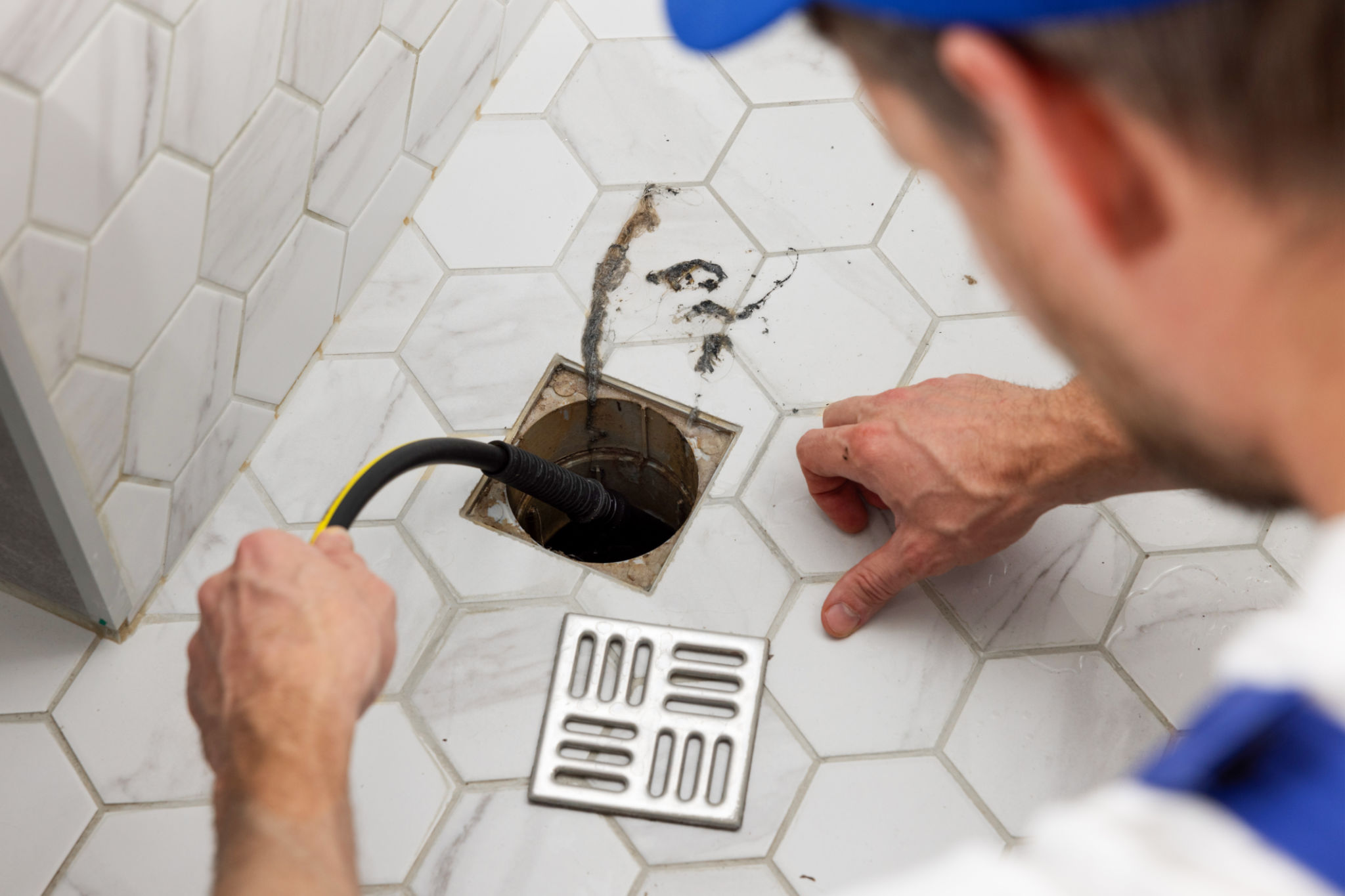
Clogged drains can be a nuisance and are often caused by hair, soap, or grease build-up. Regularly clean your drains using a mixture of hot water, baking soda, and vinegar to prevent clogs.
Using a Plunger
For more stubborn clogs, use a plunger. Ensure there is enough water in the sink or tub to cover the plunger's base. Create a seal and pump vigorously to dislodge the blockage. If this doesn't work, a drain snake might be necessary.
Running Toilets
Check the Flapper
A running toilet can waste a lot of water. The most common cause is a faulty flapper. Check if the flapper is sealing properly over the flush valve. If it's worn out, replace it with a new one.

Adjust the Float
If the toilet continues to run, the float might be set too high. Adjust the float arm or the float itself to ensure the water level stops below the overflow tube.
Low Water Pressure
Inspect Aerators
Low water pressure can be frustrating and is often caused by clogged aerators. Unscrew the aerator from the faucet, clean out any debris, and reattach it. This simple step can often restore normal water pressure.
Check for Leaks
Another potential cause of low water pressure is leaks in your plumbing system. Inspect visible pipes for leaks and consider calling a professional if the problem persists, as it might indicate a more serious issue.