
Understanding Water Heater Options: A Buyer’s Guide
Introduction
When it comes to home comfort, a reliable water heater is essential. Whether you're building a new home or replacing an old unit, understanding the different water heater options available can help you make an informed decision. This buyer’s guide will explore the various types of water heaters, their advantages, and what to consider when choosing the right one for your home.
Types of Water Heaters
Conventional Storage Water Heaters
Conventional storage water heaters are the most common type found in homes. They keep a reservoir of hot water ready for use at any time. The size of the tank varies, allowing you to choose one that fits your household's needs. While they are generally affordable, they can consume more energy due to standby heat loss.
Tankless Water Heaters
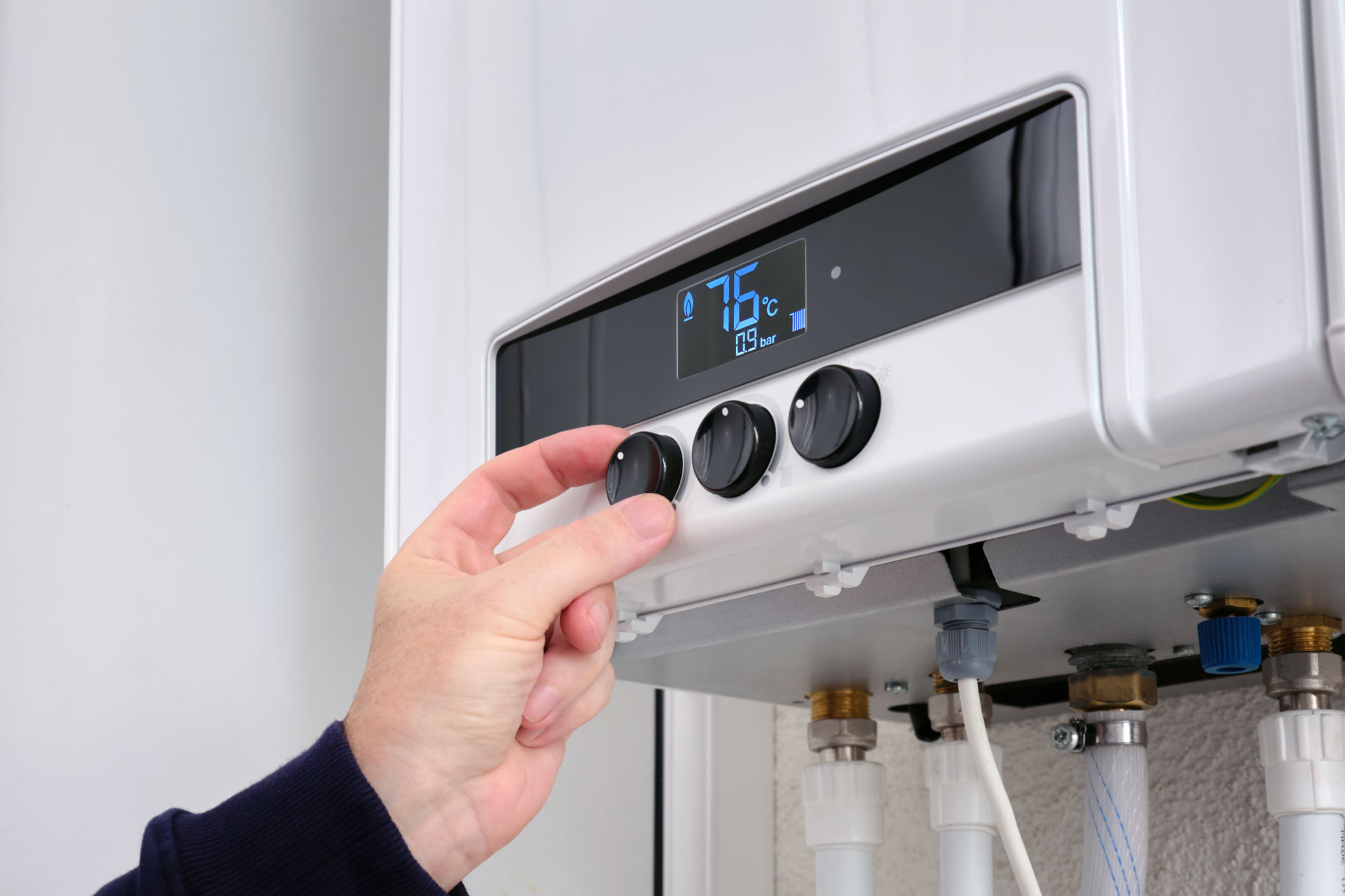
Tankless, or on-demand, water heaters heat water only when it's needed. This can lead to significant energy savings since there’s no standby heat loss. These units are compact and ideal for homes with limited space. However, they may have a higher initial cost compared to traditional models.
Factors to Consider
Energy Efficiency
Energy efficiency is a crucial factor when selecting a water heater. Look for models with the ENERGY STAR label, as these are designed to be more efficient. Higher efficiency models may have a higher upfront cost but can result in lower utility bills over time.
Capacity
The capacity of a water heater should match your household's hot water demands. For larger families, a bigger tank or multiple tankless units might be necessary. Consider your peak usage times to determine the appropriate size and model.

Fuel Type
Water heaters are powered by various fuel types, including electricity, natural gas, propane, and solar. Each type has its pros and cons. For instance, natural gas heaters tend to be more cost-effective in areas where gas is cheaper than electricity, while solar-powered models offer environmental benefits but can be more expensive to install.
Installation and Maintenance
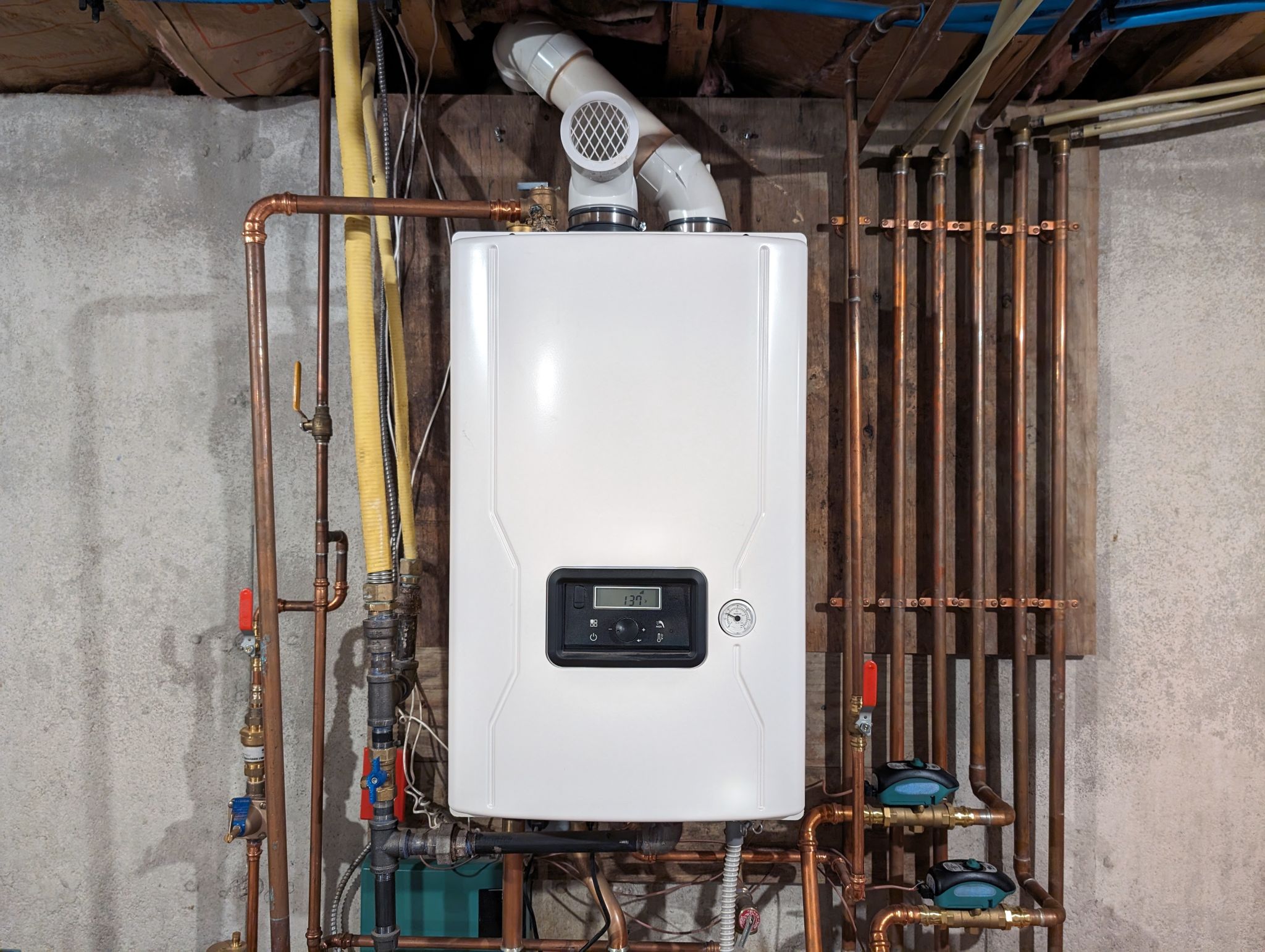
Proper installation is key to ensuring your water heater operates efficiently. It's advisable to hire a professional for the installation. Regular maintenance, such as flushing the tank and checking for leaks, can extend the life of your water heater and improve its performance.

Conclusion
Choosing the right water heater involves considering various factors such as type, energy efficiency, capacity, and fuel source. By understanding these options and their benefits, you can select a water heater that meets your needs and contributes to your home's overall energy efficiency. Investing time in research and professional guidance can lead to a comfortable and efficient home environment.